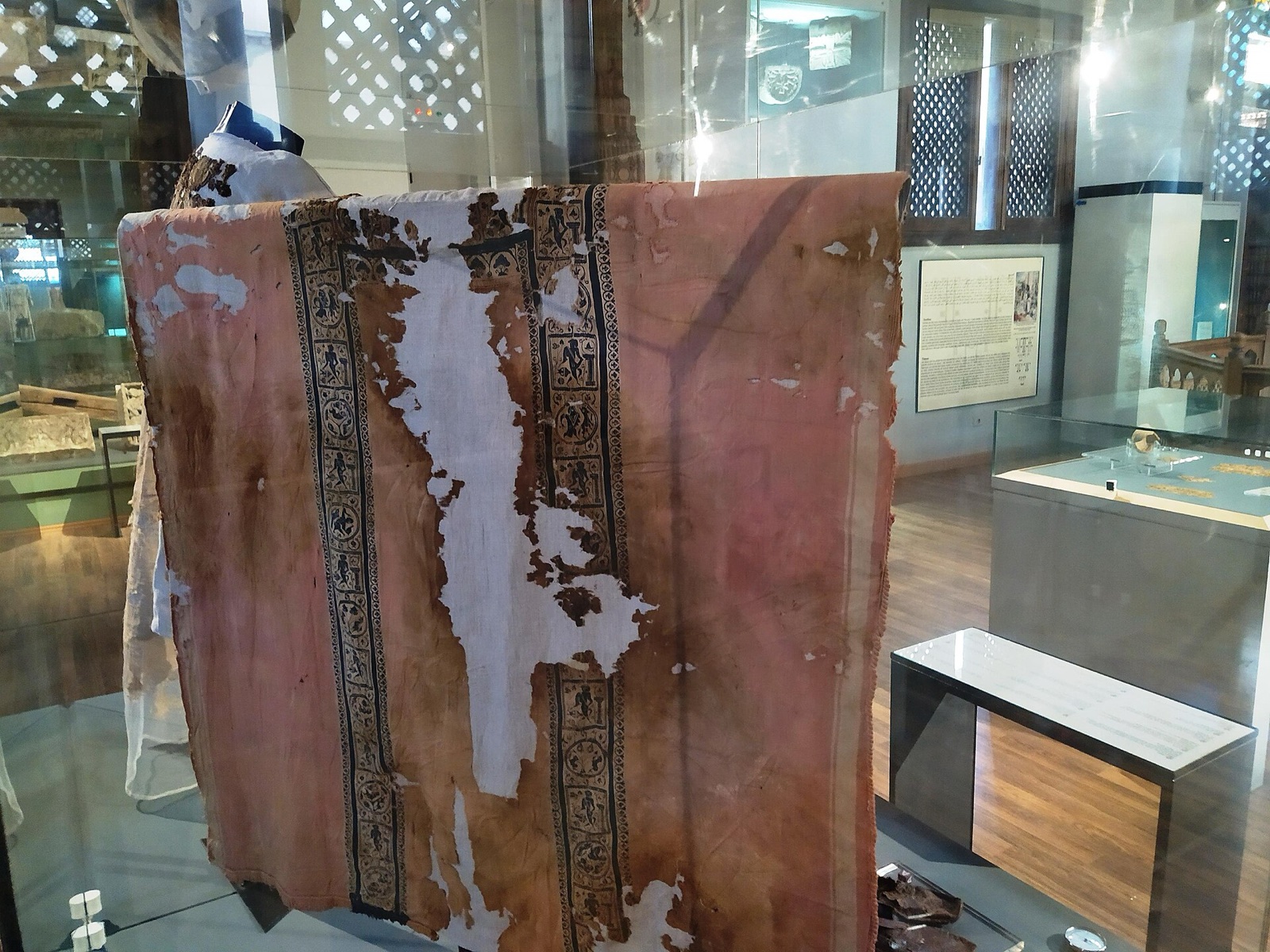
The Coptic Museum and Museum of Islamic Art widen an Egypt itinerary beyond a pharaonic-only sequence. Their manuscripts, textiles, wood, metal, glass, ceramic and architectural fragments reward a material route more than a checklist of famous objects.
At the Coptic Museum, follow transformation
Textile, manuscript, carved wood, icon and architectural element can show continuities and changes across Egyptian, Mediterranean and Christian traditions. Avoid searching for a single clean break between “ancient” and “Coptic.” Instead, compare how materials, languages, forms and communities adapt. A fragment of architecture also asks you to imagine the larger building and ritual movement from which it was removed.
Let Old Cairo remain lived space
The surrounding district can extend questions raised indoors, but nearby churches are not museum annexes. Worship, service times, dress and community access come first. Choose one monument rather than rushing through many. Notice how wood, stone, textile and manuscript move from display categories back into architectural and devotional relationships.
At the Museum of Islamic Art, choose a technique
Follow one or two media through the galleries: metal inlay, carved wood, ceramic surface, enamelled glass, textile or manuscript page. Similar functions can be produced through different regional techniques. Compare joins, inscriptions, ornament and signs of use. Craft is evidence for labour, institutions and exchange, not anonymous decoration around a historical narrative.
Use objects to map networks
Cairo belonged to routes across Africa, the Mediterranean, the Middle East and Asia. Ask whether a material, form or technique appears local, imported, adapted or repaired. Museum categories often need stable labels, but an object may record movement through several places and communities. Networks become clearer when you compare process rather than trying to assign every surface to one timeless national style.
Compare script as physical design
Even without reading the language, observe how text occupies a page, vessel, panel or architectural fragment. Scale, direction, margin and colour organize access. A manuscript page combines preparation, ruling, writing, correction, ornament and binding. Its current opening is one moment in a longer sequence that a case cannot display all at once.
Plan the pair carefully
These museums are not in the same immediate district, and each deserves concentrated time. Pairing the Coptic Museum with one Old Cairo site can be coherent. Give the Museum of Islamic Art its own central-Cairo route. Confirm entrances, opening conditions and gallery access through official sources before travel.
Let conservation explain what is missing
Textiles, manuscripts, wood and painted surfaces are sensitive to light, humidity and physical stress. Low illumination and rotation are not signs that the collection is secondary. They are forms of care. A work shown in an old catalogue may be resting or under conservation. Build a session around a material family rather than one fragile object, and observe how mounts, cases and page openings balance access with preservation.
Resist catch-all historical labels
“Coptic” and “Islamic” are useful museum categories, but neither describes one unchanging style, language, community or period. Read dates, regions, materials and functions carefully. Compare continuity inside the category as well as difference across it. A devotional manuscript, domestic textile and architectural panel should not be made to tell the same story merely because they share a gallery heading.
Sources reviewed 28 July 2026: Coptic Museum ↗ · Museum of Islamic Art ↗. Galleries and visitor conditions may change.