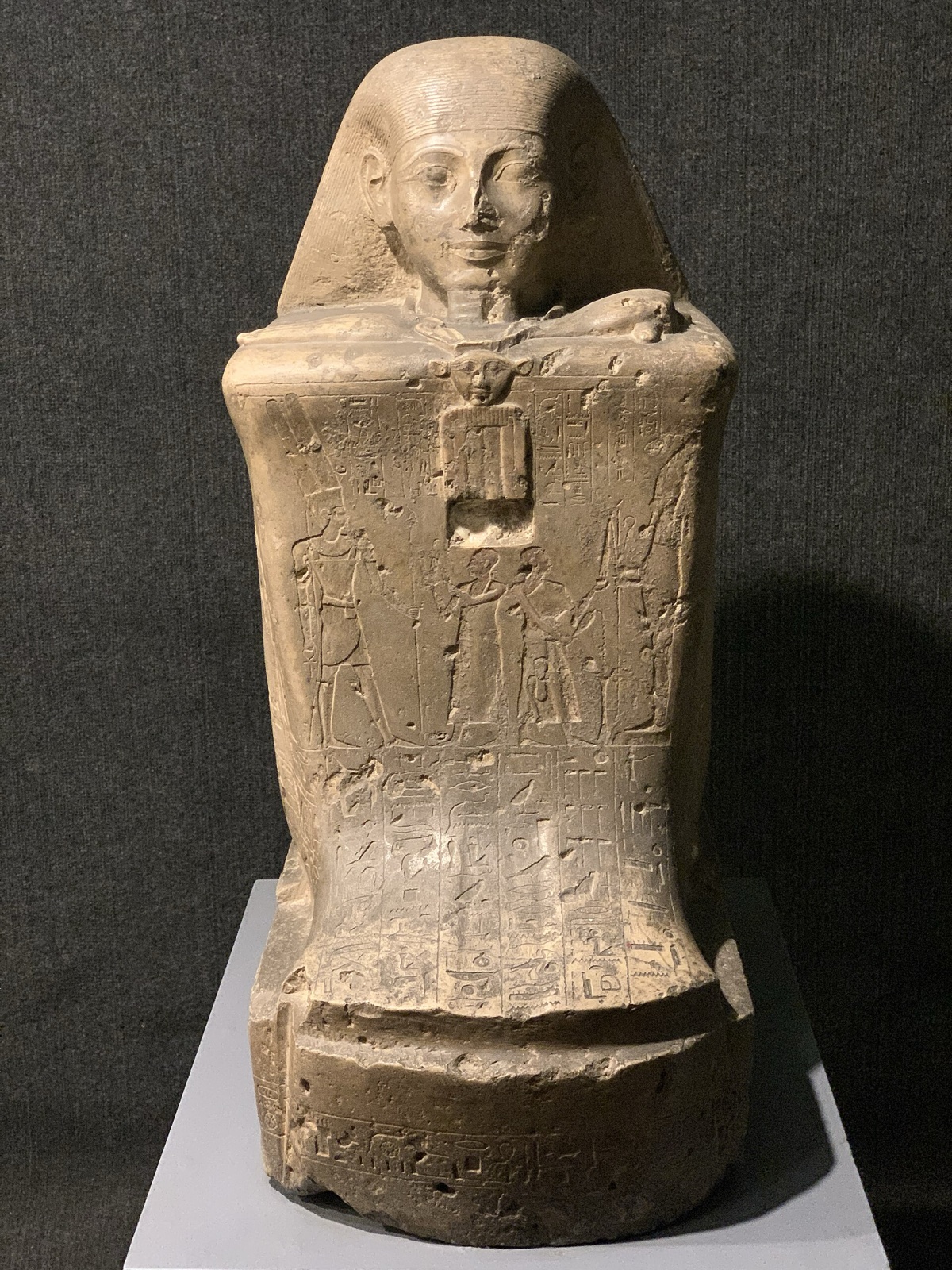
After temples and tombs, Luxor Museum can restore a scale suited to close comparison. Its value is not simply that objects are indoors. A focused regional collection can reconnect sculpture and architectural fragments with the Theban landscape.
Visit after one major site, not every site
Temple complexes demand walking, heat tolerance and constant shifts in scale. A museum visit after a full monument marathon often becomes passive. Choose one East Bank site as the day's archaeological anchor, take a genuine rest and let the museum consolidate what you saw. The question might be royal pose, temple building, reuse or the relation between fragment and architecture.
Keep findspot attached to the object
Read labels for temple, bank, cache, burial and excavation context. A statue found with others preserves relationships that a masterpiece list can erase. Architectural blocks belong to sequences, walls and changing building programmes. Mentally reconnect each object with movement through a larger site rather than treating the museum as a treasury detached from place.
Use the controlled light
Indoors, surface and carving become easier to compare than under strong exterior light. Walk around sculpture when permitted. Look for back pillars, inscriptions, support and changes in finish. Then remember that museum illumination creates a new encounter. A work originally placed in a temple court or enclosed room responded to different viewing distances and light.
Compare complete form and fragment
A well-preserved statue can make visual completion feel like historical importance. Fragments may reveal tool marks, joins, recutting and construction more directly. Compare the edge of a block with the polished face of a figure. Ask which kind of evidence helps explain the site you visited and which uncertainty remains.
Build a calm ending
A museum does not need another distant attraction attached to it. A Corniche walk, meal or return to the hotel can protect what the visit produced. Cross-river transfers should be planned as separate logistical decisions. Current hours and admission conditions require official confirmation; the available Ministry link is a collection note, not a dedicated live ticket page.
Compare royal and non-royal presence
The Theban landscape can make royal building activity dominate attention. Inside the museum, look for officials, craftspeople, burial groups and objects of repeated practice that complicate that emphasis. Titles and findspots can reveal how institutions functioned beyond the ruler's image. A smaller object may explain the labour, administration or ritual service that monumental architecture required but does not always make visible.
Use the museum building as a pause in scale
Temples organize long approaches, changing courts and views upward. Museum cases offer controlled distance and repeated comparison. Notice how your own body responds to that shift. Sitting, returning to one sculpture and reading a complete label are not delays before the next monument; they are the interpretive advantage of bringing selected evidence into a focused regional collection.
Carry one question back outside
End by choosing one feature to look for again: a type of crown, block join, offering pose or pattern of inscription. If another site follows on a later day, use that feature as a bridge. The museum then changes how the landscape is seen without becoming an illustrated summary of every temple and tomb.
Sources reviewed 28 July 2026: Luxor Museum collection note ↗. Galleries and visitor conditions may change.