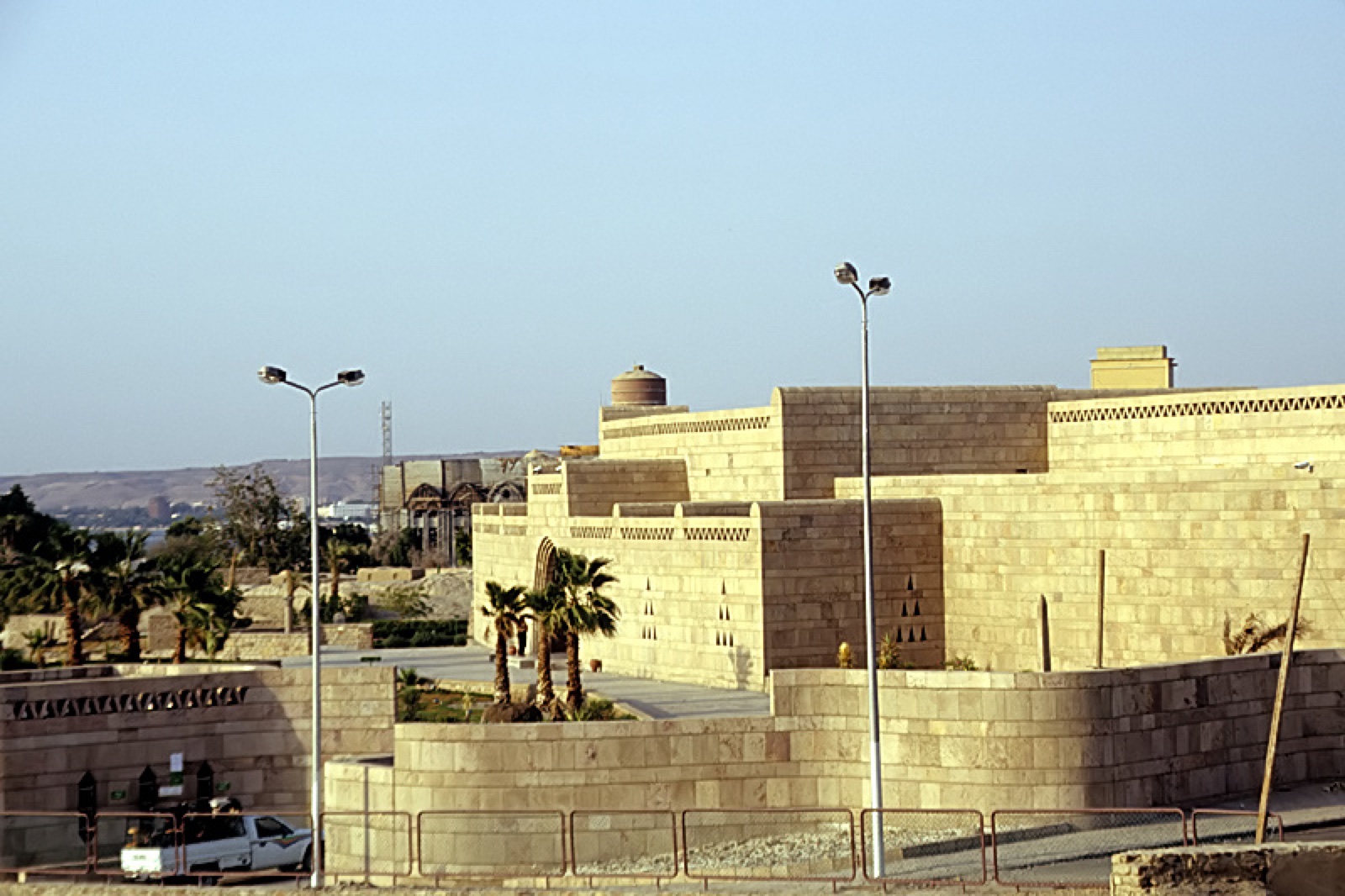
The Nubia Museum changes the map of an Egypt trip. River geography, regional kingdoms, archaeological rescue, displacement and living culture become central rather than supplementary to a story organized from Cairo.
Begin with the Nile as a system
Treat the river as more than scenery. It shapes routes, settlement, agriculture, political connection and movement across regions. Study maps before isolated objects. Notice which direction is presented as central and how borders change over time. A river-based map can make relationships visible that disappear when Nubia is shown only as the southern edge of another power.
Give regional kingdoms their own history
Avoid using Nubia only to explain its relationship with dynastic Egypt. Objects can record local centres, changing political authority, trade and cultural exchange. Compare materials, burial practices and representation while leaving room for difference. Interaction does not require treating one region as a copy or margin of another.
Hold rescue and displacement together
The international campaign to save monuments is an important history of archaeology and cooperation. Large-scale development also displaced Nubian communities and transformed landscapes. A museum visit should hold preservation achievement and human loss in the same frame. One does not cancel the other, and neither belongs only to the distant ancient past.
Use the exterior as interpretation
The museum's landscaped environment can extend questions about stone, water and terrain. Visit outdoor areas during a physically suitable part of the day and confirm current access. Do not reduce the garden to a photograph stop; compare how fragments and reconstructed settings behave outdoors after the controlled sequence of the galleries.
Read living culture as changing
House forms, craft, language, music and oral practice should not be presented as a timeless survival. Communities change, adapt and make modern choices. Museum categories can unintentionally freeze culture into types. Look for contemporary voices and dates, and distinguish archaeological reconstruction from documentation of recent experience.
Make the museum the destination
Do not leave the Nubia Museum for an uncertain final hour before departure. Travel, heat and security take real time. A focused half-day with rest lets maps, archaeology and modern history remain connected. Confirm current operational details through the Ministry profile rather than assuming a fixed schedule from an older itinerary.
Compare archaeological and ethnographic display
Objects excavated from ancient contexts and material documenting recent community life reach the museum through different processes. Labels may identify a findspot, excavation, maker, collector or donor. Pay attention to those routes. The authority of archaeology should not make modern testimony seem anecdotal, while a reconstructed domestic scene should not be mistaken for a complete account of every Nubian household.
Watch how chronology is divided
Period labels are necessary tools, but they can create artificial breaks. Look for technologies, place names, river routes or forms that continue across a boundary, and for moments when a similar form takes on a new use. A regional museum is especially valuable when it allows several political histories to overlap instead of forcing the Nile Valley into one dynasty-by-dynasty sequence.
Sources reviewed 28 July 2026: Nubia Museum ↗ · UNESCO Nubian Monuments ↗. Galleries and visitor conditions may change.